How to Elope in Oregon (A Complete Step-by-Step Guide)
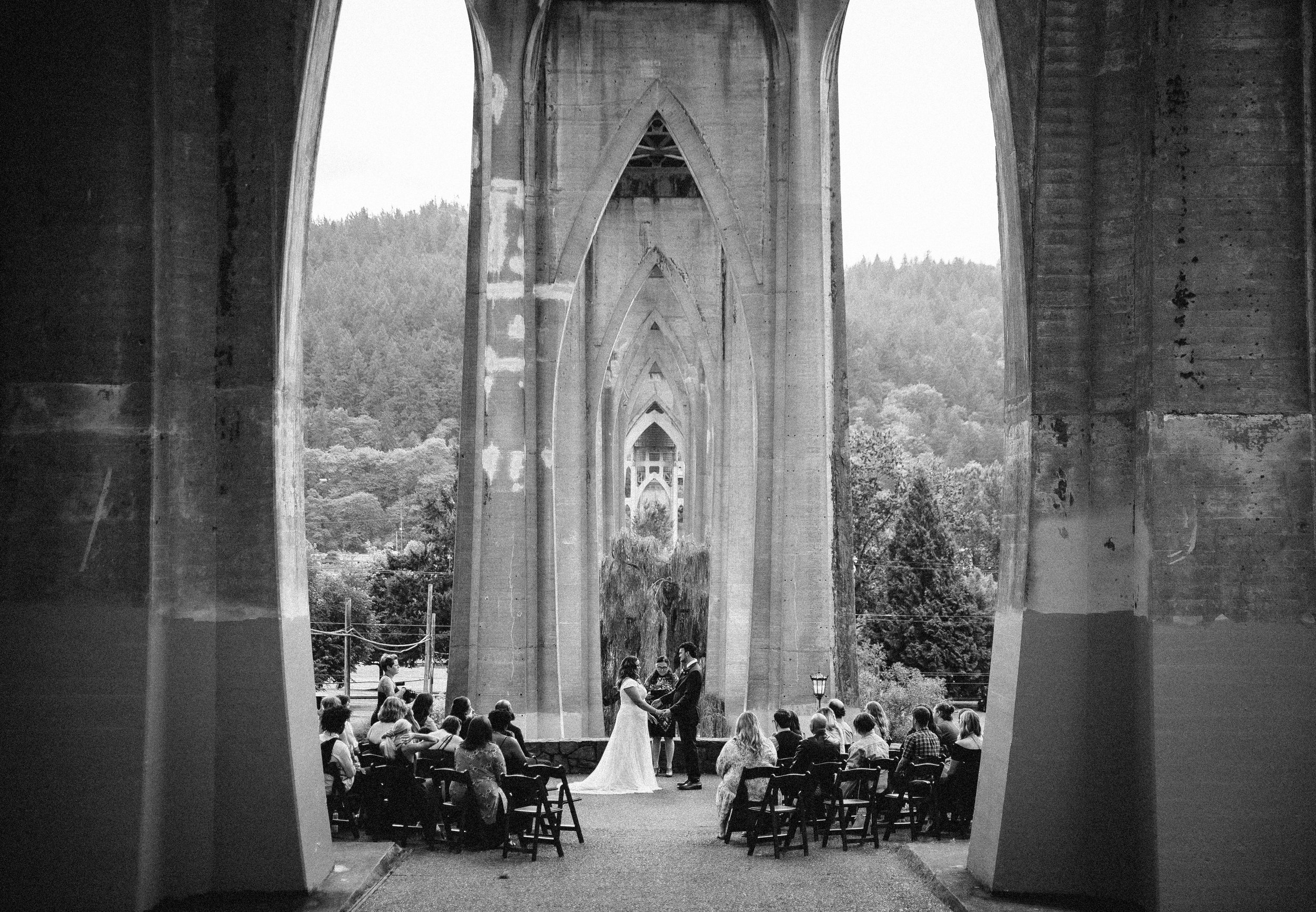
There’s a reason Oregon has quietly become one of the most sought-after places to elope in the United States.
It’s not just the scenery, though the coastline, waterfalls, and mountain backdrops make it feel like you stepped into a film. It’s the way an Oregon elopement allows you to slow down, strip away expectations, and create a wedding day that actually feels like you.
If you’re here, you’re probably not interested in a ballroom, a packed timeline, or performing for 150 guests. You want something intentional. Personal. Real.
If you're in the early stages of planning your day, you can also explore my Oregon elopement photographer page where I walk through locations, timelines, and how to design an intentional elopement experience.
This guide walks you through exactly how to elope in Oregon—from the legal side to planning a day that feels like an experience, not an event.
If you are trying to figure out how to elope in Oregon, the biggest decisions usually come down to location, legal requirements, guest count, timeline, and how much support you want from your photographer. Oregon gives couples a wide range of options, from the coast and waterfalls to forest trails, courthouse ceremonies, mountain views, and intimate city elopements in Portland.
Step 1: Decide What “Eloping” Means to You
Eloping doesn’t mean the same thing it did ten years ago.
For some couples, it’s just the two of them exchanging vows on a cliffside at sunrise. For others, it’s a small group of 10–20 people gathered for an intimate ceremony followed by dinner in a coastal town.
Before you choose a location or hire vendors, define what you actually want your day to feel like.
Ask yourself:
Do we want guests, or just us?
Are we drawn to the coast, mountains, or forest?
Do we want something adventurous or something simple and grounded?
What moments actually matter to us?
The clearer you are here, the easier every other decision becomes.
Step 2: Choose Where to Elope in Oregon
Oregon gives you options most states don’t.
Within a few hours, you can be:
Standing on a rugged coastline with waves crashing behind you
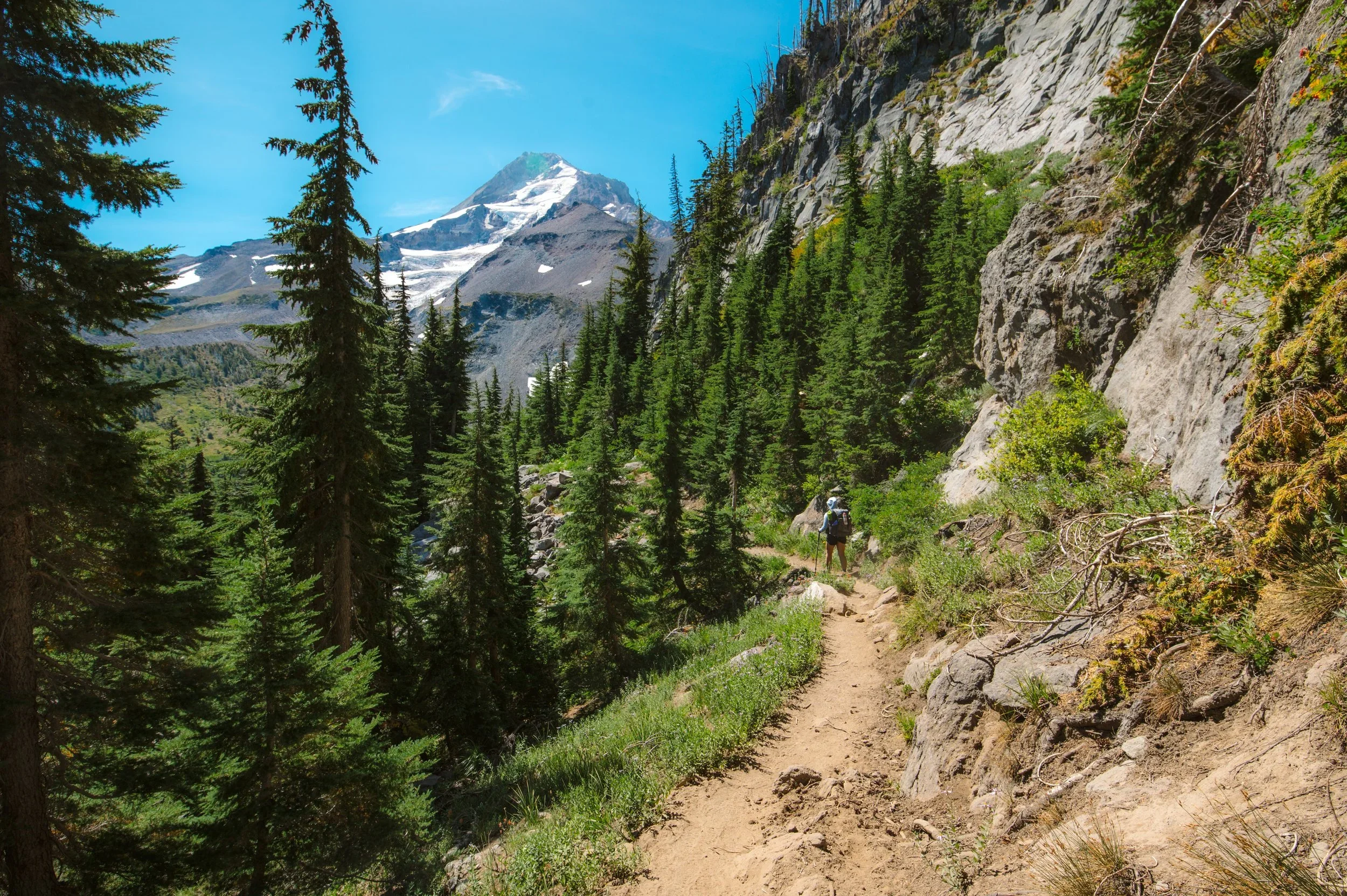
Hiking into a quiet alpine lake near Mount Hood
Saying your vows beside a waterfall in the Columbia River Gorge
Walking through open desert landscapes in Central Oregon
Each region has a completely different feel.
The Oregon Coast tends to be:
dramatic
windy
cinematic
If the coast is the direction you are leaning, my Oregon Coast elopement photographer page walks through coastal location ideas, timeline planning, weather considerations, and what it can look like to build an intimate wedding day around the ocean.
The Columbia River Gorge is:
lush
green
waterfall-heavy
If the Gorge is one of the places you are considering, my Columbia River Gorge elopement photographer guide breaks down waterfall ceremony ideas, scenic overlook options, timeline considerations, and what makes this region such a strong choice for couples who want an adventurous but accessible Oregon elopement.
Mount Hood areas offer:
mountain views
forest trails
alpine scenery
Portland can also be a good starting point for an Oregon elopement, especially if you want courthouse access, city portraits, forested parks, or an easy drive to the Columbia River Gorge. If you are considering an elopement in or near the city, my Portland elopement photographer page walks through courthouse, park, and nearby adventure elopement options.
If you’re drawn to alpine lakes, forest roads, mountain views, and a day that feels adventurous without being overly complicated, my Mount Hood elopement photographer page is a helpful place to start.
Your location should match the kind of experience you want, not just the place that looks best in photos.
Step 3: Understand Permits and Rules
This is the part most couples overlook—and where having guidance matters.
In Oregon, many public lands require permits for ceremonies, especially if:
you have guests
you’re using arches, chairs, or decor
your photographer is considered a commercial vendor
For example:
Some Oregon State Parks require a Special Use Permit
National Forest areas may require permits depending on group size
Certain popular locations in the Gorge have restrictions or timed access
The key is not to guess.
Each location has its own rules, and planning around them early prevents last-minute stress.
Step 4: Handle the Legal Side of Eloping in Oregon
Eloping is simple legally—but there are a few things you need to do.
In Oregon:
You’ll need a marriage license from any county clerk’s office
There is a 3-day waiting period (which can sometimes be waived)
You’ll need an officiant and two witnesses
If you’re coming from out of state, you can still legally marry in Oregon without being a resident.
Many couples choose to:
legally marry at a courthouse before or after
or incorporate the legal signing into their elopement day
Either way works. What matters is that it fits your timeline.
Step 5: Build a Timeline That Feels Different
This is where elopements completely separate from traditional weddings.
Instead of cramming everything into 6–8 rushed hours, you can design a day that flows naturally.
A simple elopement timeline might look like:
Slow morning getting ready
Private vows at sunrise or sunset
Time to explore, hike, or just exist together
A relaxed meal or celebration after
There’s no pressure to perform. No rigid structure.
The day can breathe.
And that’s often what couples remember most.
Step 6: Choose Vendors Who Understand Elopements
Not all wedding vendors approach elopements the same way.
You want people who:
understand flexible timelines
are comfortable in outdoor environments
value experience over production
For most Oregon elopements, couples typically book:
a photographer (who often helps guide the entire process)
an officiant (if not self-solemnizing alternatives)
a florist (optional but impactful)
hair and makeup (especially for wind/weather conditions)
The right vendors don’t just show up—they help shape the day.
If you are still looking for the right person to document your day, my Oregon and Washington wedding and elopement photographer page is a helpful place to see how I approach elopements, intimate weddings, courthouse ceremonies, and full wedding days across the Pacific Northwest.
Step 7: Prepare for Oregon Weather (Seriously)
Oregon is beautiful—but it’s unpredictable.
Even in summer, you can encounter:
wind on the coast
sudden rain in the Gorge
temperature swings in the mountains
The best approach isn’t to avoid it—it’s to plan for it.
Bring:
layers
backup options
a flexible mindset
Some of the most meaningful elopements happen when things don’t go perfectly—and couples lean into it anyway.
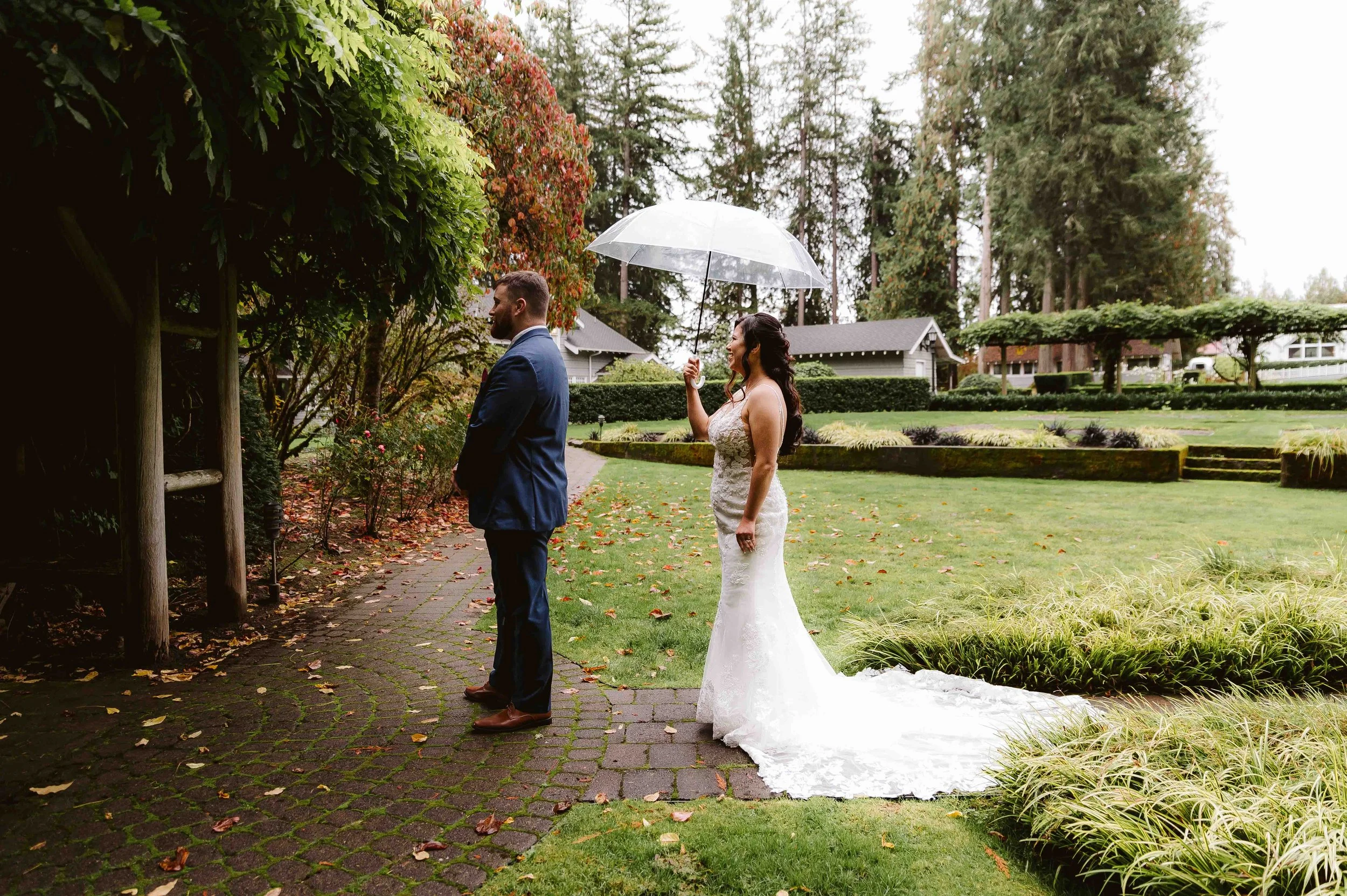
Step 8: Focus on the Experience, Not Just the Photos
The photos matter. They will last.
But what actually stays with you is how the day felt.
The quiet moments.
The in-between time.
The fact that you weren’t rushed or overwhelmed.
Oregon elopements work because they create space for that.
Not a production. Not a performance.
Just a day that feels like yours.
If you are still comparing what kind of coverage you need, you can also view my wedding and elopement photography packages. Oregon elopements can range from simple courthouse coverage to half-day or full-day experiences with multiple locations, portraits, family photos, and a relaxed timeline.
Final Thoughts
Eloping in Oregon isn’t about escaping a traditional wedding.
It’s about choosing something more intentional.
If you’re drawn to this kind of day, trust that instinct. You don’t need permission to do something different—you just need a plan that supports it.
And once you have that, everything else starts to fall into place.
If you're ready to start planning, you can also visit my Oregon elopement photographer page for a full overview of locations, timelines, and how I help guide the entire experience.