
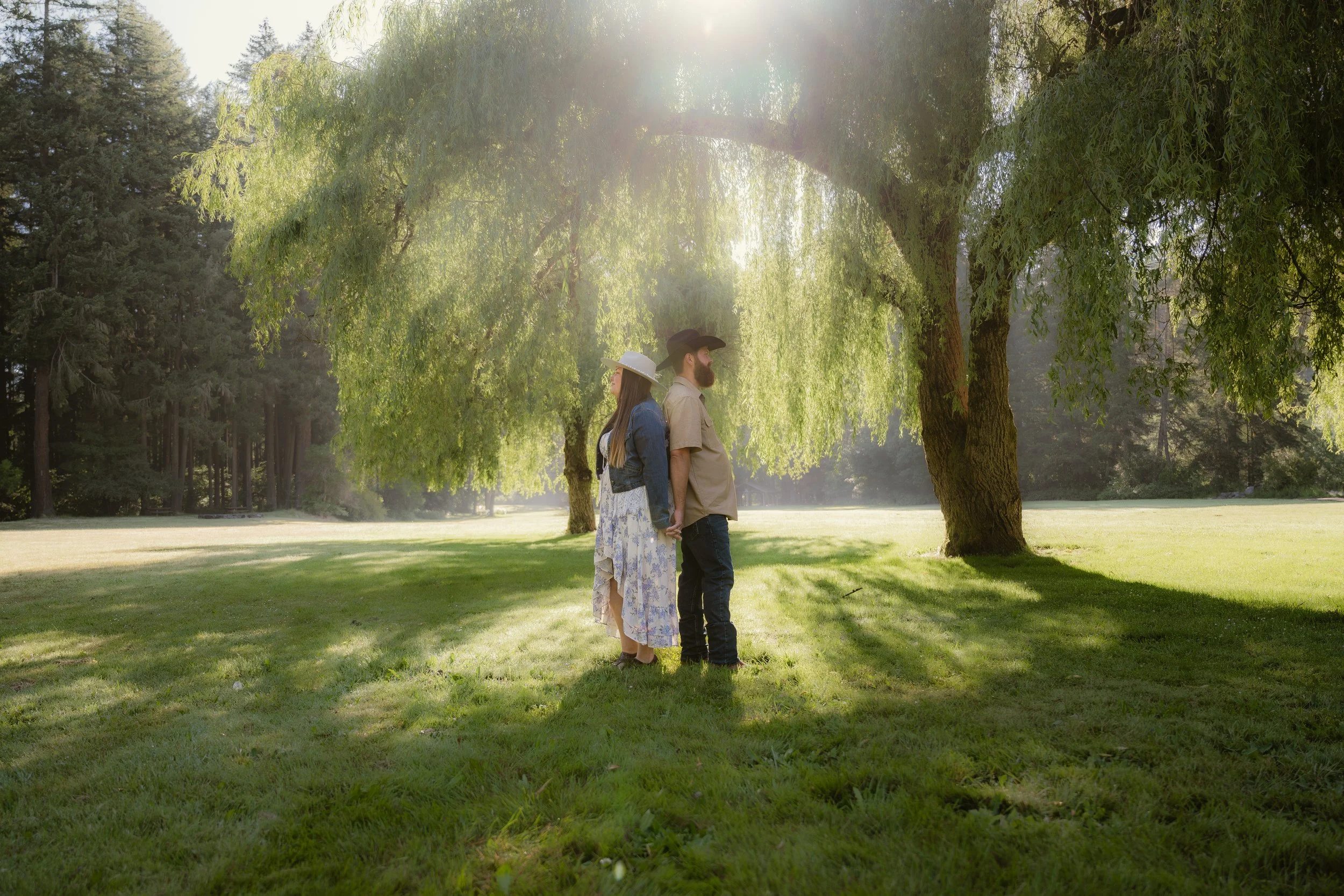
Oregon Micro Wedding Planning Guide
A micro wedding gives you room to create a full wedding experience without planning around a large guest list. You can still have a ceremony, meaningful details, family portraits, dinner, toasts, and time with the people closest to you.
This guide covers the decisions that shape an Oregon micro wedding, including guest count, location, timelines, photography coverage, courthouse ceremonies, backyard celebrations, and intimate receptions.
So, What Is a Micro Wedding?
A micro wedding is a smaller wedding that still includes the structure and personal details of a traditional wedding day. Most include a ceremony and some kind of celebration afterward, but the guest list is intentionally limited.
There is no official number that makes a wedding a micro wedding. Most fall somewhere below 50 guests, while many include fewer than 30.
A micro wedding may include getting-ready coverage, a first look, a ceremony with family and close friends, family portraits, couple portraits, dinner, cake, toasts, or a short reception.
A smaller guest count does not make the day less meaningful or complete. It can give you more time with each person and more freedom to build the day around what actually matters to you.
Still deciding between a smaller wedding and an elopement? Read my guide to micro weddings versus elopements.
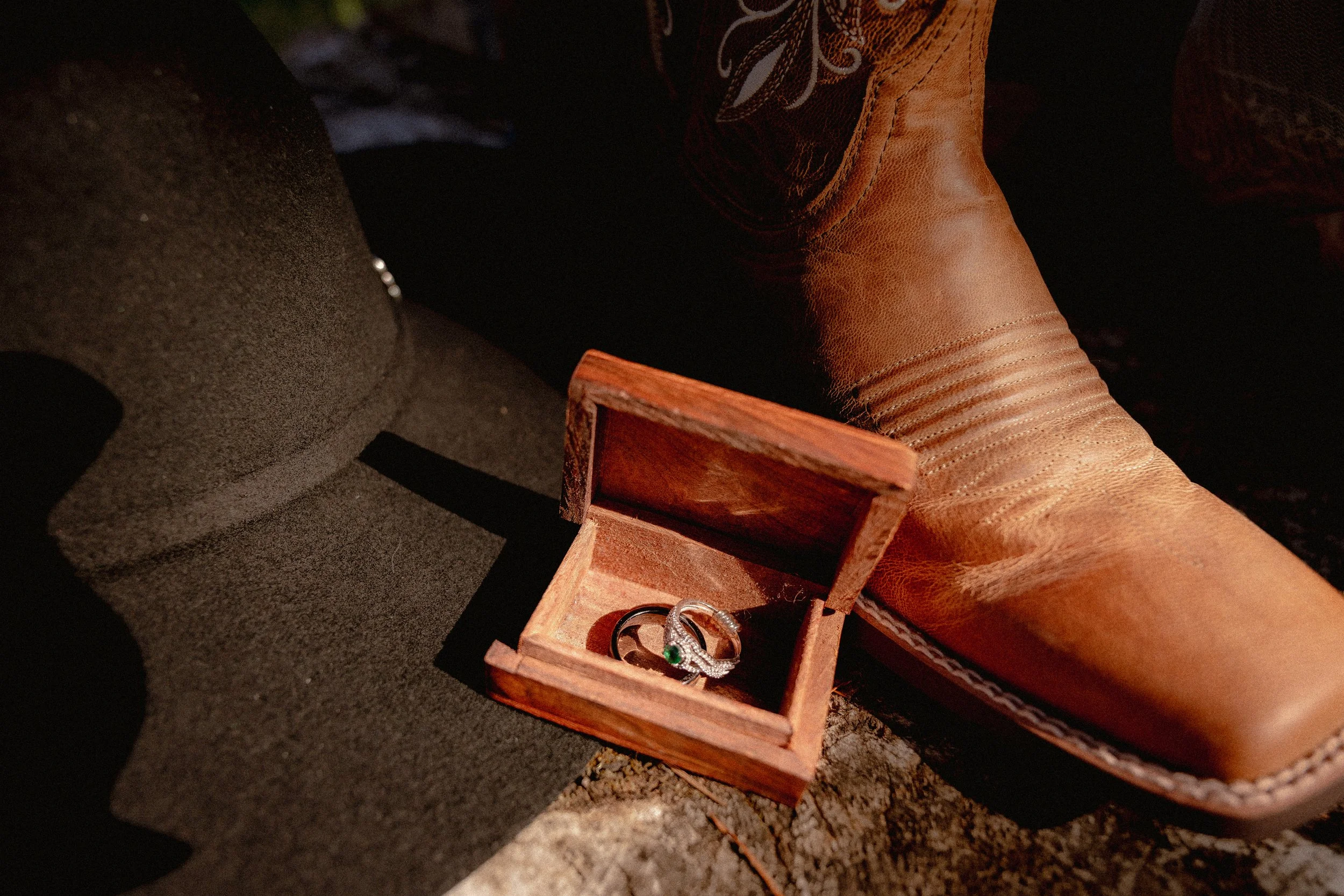
Micro Wedding vs. Elopement
The biggest difference between a micro wedding and an elopement is usually the structure of the day.
A micro wedding often includes guests, a planned ceremony setup, family portraits, and some kind of reception or dinner. An elopement is usually centered more heavily on the couple, the ceremony, and the location.
Some days fall somewhere in between. You might have a private ceremony followed by dinner with family, or a courthouse ceremony followed by portraits and a small reception.
The right choice depends on how involved you want your guests to be, how much of the day you want documented, and whether you want a traditional wedding flow or something more flexible.
A micro wedding works especially well for couples who want the emotional depth of a full wedding day without planning for a large crowd.
How Many Guests Should You Invite?
Your guest count affects nearly every other planning decision, including the venue, food, seating, transportation, timeline, and photography coverage.
A guest list of 10 to 20 people may work well for a courthouse ceremony, private property, restaurant dinner, or small rental home. A guest list closer to 30 or 40 may require a dedicated venue, formal seating, and more structured logistics.
Start with the people you genuinely want present. Once you have that list, it becomes much easier to choose the right kind of location and celebration.
Avoid choosing a venue first and then feeling pressured to fill it. The guest list should shape the space, not the other way around.
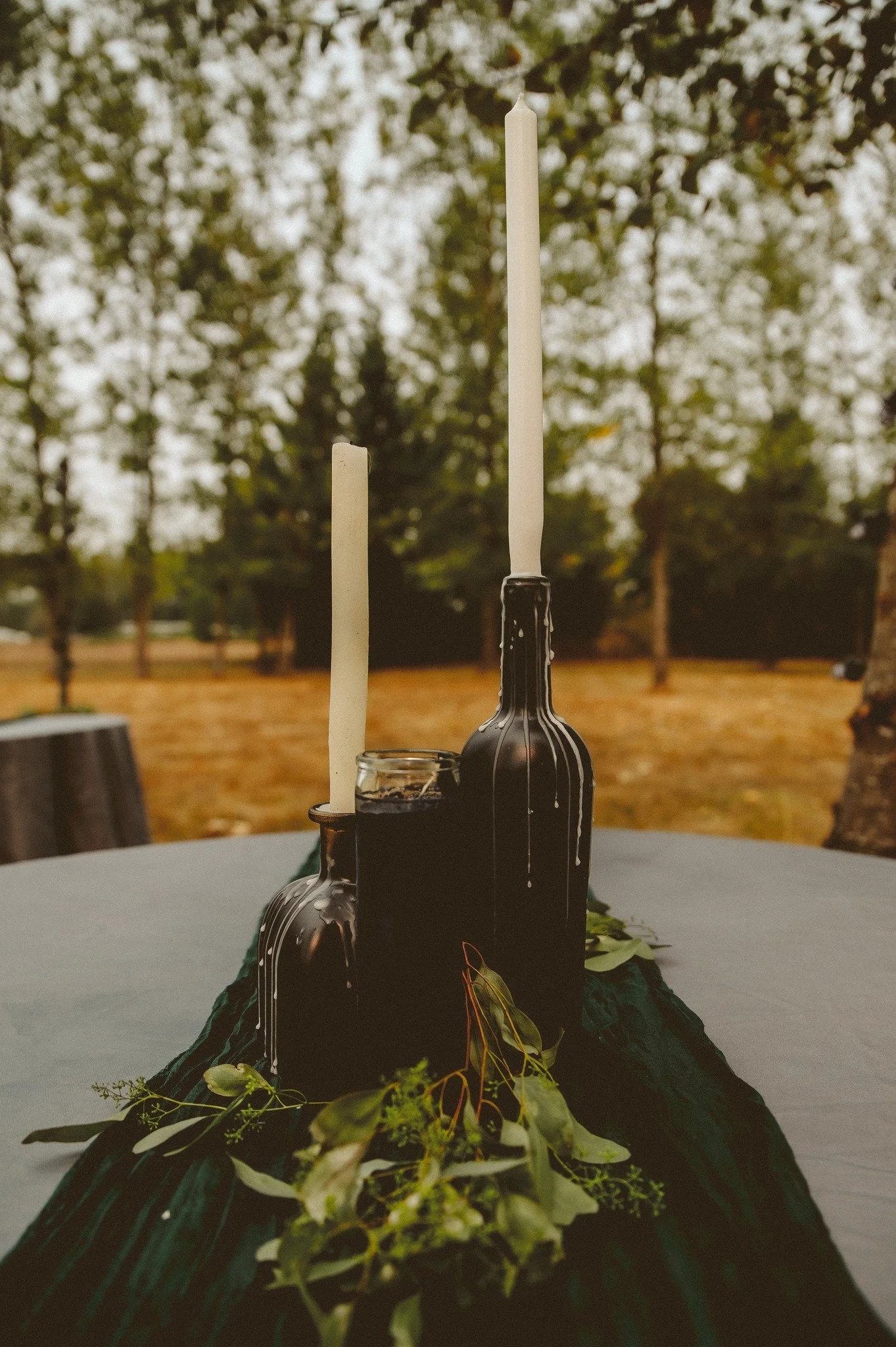
Where to Have a Micro Wedding in Oregon
Oregon gives you several options for a smaller wedding. The best location depends on your guest count, weather tolerance, accessibility needs, and whether you want a ceremony-only experience or a full reception.
Outdoor Locations
Outdoor locations can work for very small guest counts, but you need to consider permits, parking, trail access, weather, seating, and whether the location allows ceremonies.
Small Wedding Venues
A dedicated venue may be the easiest option when you want ceremony space, seating, restrooms, food service, and a clear backup plan in one place.
Backyard and Private Property Weddings
A backyard wedding can feel personal and relaxed, but it still requires planning for parking, bathrooms, weather, rentals, lighting, food, and cleanup.
Courthouse Weddings
A courthouse ceremony can work well for couples who want a simple legal ceremony followed by portraits, dinner, or a separate celebration.
How Many Hours of Photography Does a Micro Wedding Need?
One to Two Hours
This can work for:
A courthouse ceremony
A short outdoor ceremony
Couple portraits
A small number of family photos
One nearby location
Four Hours
This is usually the best fit for:
Getting-ready details
A first look
The ceremony
Family and wedding-party portraits
Couple portraits
Part of the reception or dinner
Six Hours or More
Longer coverage may make sense when:
The ceremony and reception are in different locations
You want both partners getting ready photographed
You are planning a longer dinner or reception
You want speeches, first dances, cake cutting, or sunset portraits documented
Travel time is built into the day
Most micro weddings need more coverage than couples first expect.
Even with a smaller guest count, the day may still include getting ready, a first look, the ceremony, family portraits, couple portraits, dinner, toasts, and time with guests. Fewer people can make the day feel less hectic, but it does not always make the timeline much shorter.
For a simple courthouse ceremony followed by portraits, one to two hours may be enough. A micro wedding with getting-ready coverage, a ceremony, family photos, couple portraits, and a small reception usually needs closer to four hours.
The right amount of coverage depends on how much of the story you want documented and how spread out the day is.
For a more detailed breakdown, read How Many Hours of Photography Do You Need for a Micro Wedding?.
You can also compare broader coverage options in How Many Hours of Wedding Photography Do You Really Need?.
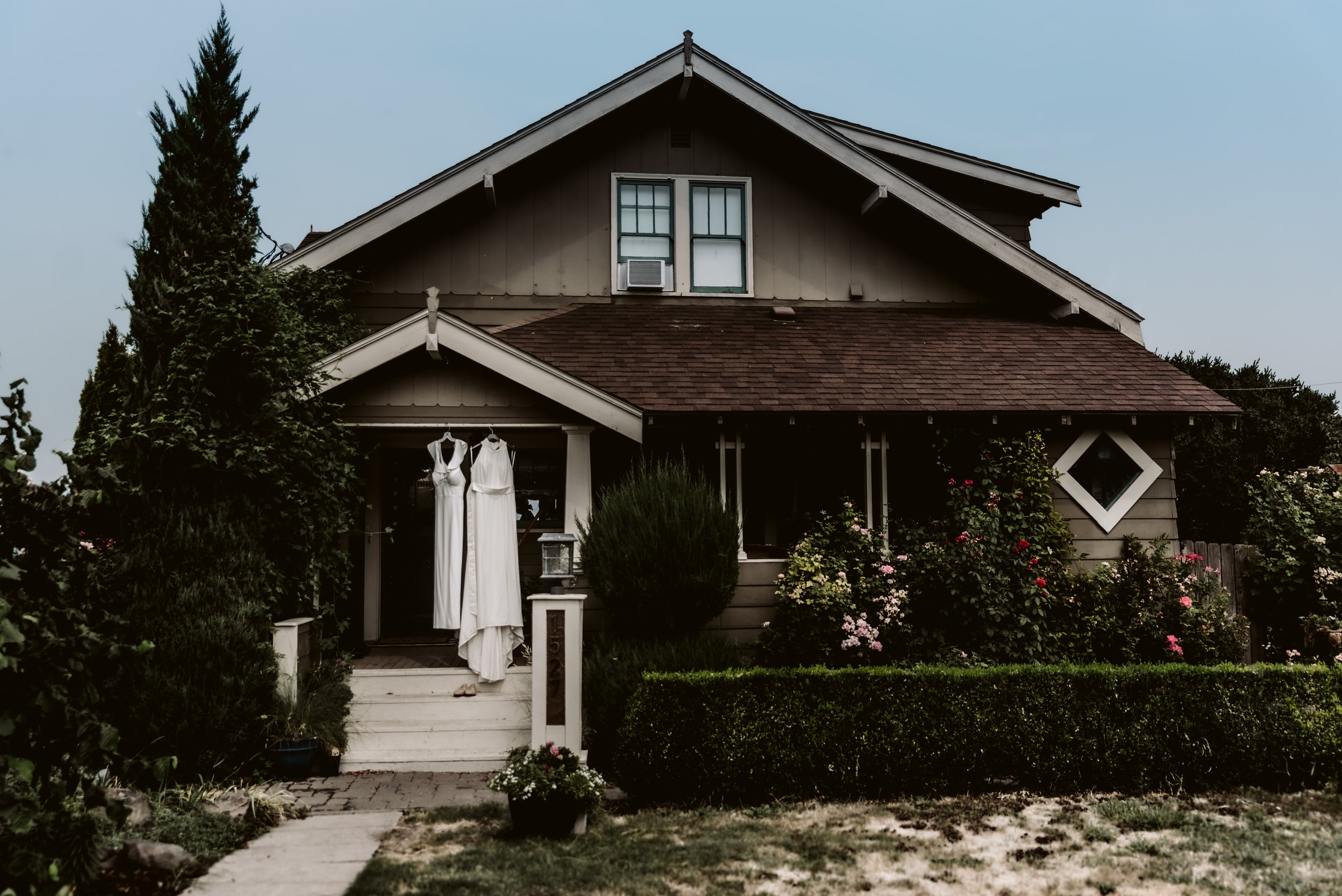
Sample Oregon Micro Wedding Timelines
A micro wedding timeline should leave enough room for the day to unfold without turning every part of it into a scheduled photo opportunity.
The examples below are starting points. Travel time, guest count, ceremony length, dinner plans, and the number of locations can all change how much coverage you need.
Two-Hour Courthouse Micro Wedding
2:00 PM — Arrive at the courthouse and photograph details
2:15 PM — Ceremony
2:35 PM — Family portraits outside the courthouse
3:00 PM — Couple portraits nearby
3:45 PM — Final portraits and departure
This timeline works best when the ceremony and portraits happen in the same area and there is no reception coverage.
Four-Hour Intimate Wedding
2:00 PM — Getting-ready details and final preparations
2:30 PM — First look and couple portraits
3:15 PM — Guests arrive
3:30 PM — Ceremony
4:00 PM — Family and wedding-party portraits
4:30 PM — Couple portraits
5:15 PM — Dinner, toasts, or cake
6:00 PM — Coverage ends
This is usually enough for a complete ceremony, portraits, and part of the celebration afterward.
Six-Hour Micro Wedding
1:00 PM — Getting ready
2:00 PM — First look and portraits
3:00 PM — Ceremony details and guest arrival
3:30 PM — Ceremony
4:00 PM — Family and wedding-party portraits
4:45 PM — Couple portraits
5:30 PM — Dinner and toasts
6:30 PM — First dance, cake, or sunset portraits
7:00 PM — Coverage ends
Build your timeline around the moments you care about most. If dinner with your family matters more than getting-ready photos, give dinner more room. If you want private vows or sunset portraits, plan around the light instead of forcing them into a crowded schedule.
For more examples and planning details, read Oregon Elopement Timeline Examples.

Planning a Micro Wedding Reception
A micro wedding reception can be as structured or relaxed as you want it to be. Some couples plan a seated dinner with assigned places, speeches, cake, and a first dance. Others reserve a private room at a restaurant, bring everyone back to a rental home, or share a meal outdoors after the ceremony.
The smaller guest count gives you more flexibility, but the reception still needs enough structure to feel comfortable for everyone attending.
Private Restaurant Dinner
A restaurant can simplify food, staffing, tables, cleanup, and weather concerns. Look for a private dining room or a space that can seat your entire group together.
Before booking, ask about:
Minimum food and a spending
Whether cake or outside desserts are allowed
Private-room time limits
Decorations and candles
Accessibility
Photography restrictions
Venue-Based Reception
A small wedding venue can be the easiest choice when you want the ceremony and reception in one place. It can also reduce travel time and make the photography timeline easier to manage.
Ask whether the venue offers shorter rentals or weekday options for smaller weddings. Some venues have separate spaces or packages specifically designed for intimate celebrations.
Backyard or Private Property Reception
Private property gives you more control over the atmosphere and schedule, but it also means you are responsible for the practical details.
Plan for:
Tables and chairs
Restrooms
Parking
Lighting after sunset
Food storage and service
Trash and cleanup
Rain or heat coverage
Noise restrictions
Reception Ideas That Work Well for Smaller Weddings
A smaller guest list can make room for experiences that would be harder to organize for a large group.
Ideas include:
A long family-style dinner
A private chef
A picnic or catered outdoor meal
Wine tasting
A dessert table
Toasts during dinner
A first dance followed by an open playlist
Sunset portraits before dessert
A next-day brunch
Choose the parts that matter to you instead of recreating every part of a traditional reception.
For more ideas, read Small Wedding Reception Ideas That Feel Intentional.
Couples planning at home may also find Backyard Micro Weddings: How to Make Them Feel Elevated useful.

Planning a Micro Wedding in Oregon?
Tell me what you are planning, where you are considering getting married, and how you want the day to feel.
I photograph micro weddings, courthouse ceremonies, intimate celebrations, and elopements throughout Oregon and Southwest Washington. Once I know more about your plans, I can help you choose the right amount of coverage and point you toward the package that fits the day.